
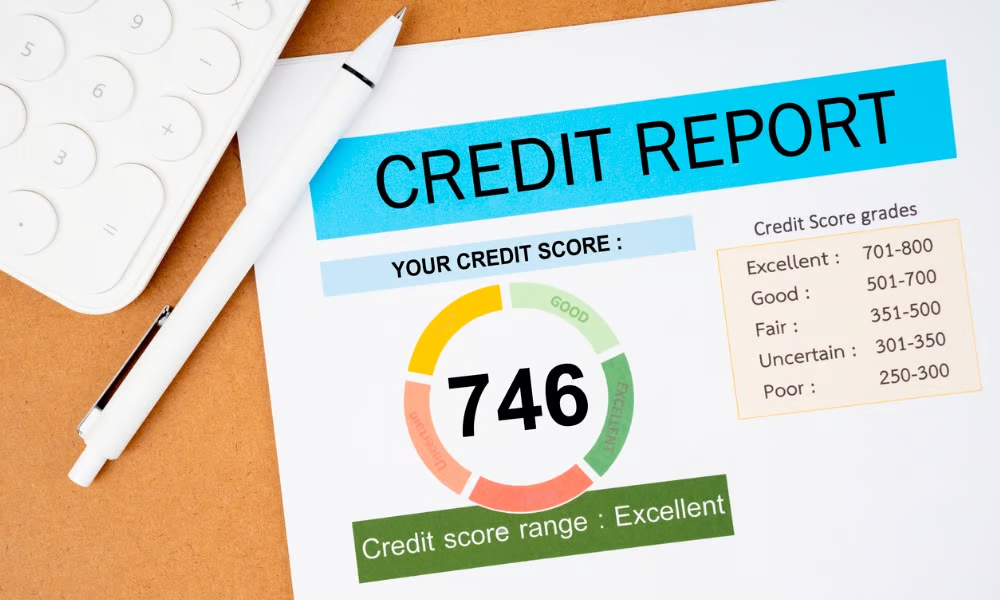
Most people don’t think about their credit score until they’re applying for something big. It could be a home loan, car finance, personal loan or even a new phone plan. But here’s the truth: your credit score is quietly working in the background every single day, shaping how lenders see you long before you click “apply”.
And the good news?
You’ve got more control over it than you might think.
With the end of the year approaching, and with it the usual mix of bills, spending, and financial juggling, now is a great time to check in on your credit health and give it a bit of care and attention.
Let’s walk through what a credit score actually is, how it affects you, the fast facts you should know, and easy steps you can take to improve it.
What is a Credit Score?
Your credit score is a numerical rating that reflects how reliably you’ve managed credit and bills in the past. Lenders use this score to help assess the level of risk when you apply for finance.
In Australia, your score is calculated by credit reporting agencies such as Equifax.
Each agency has its own scoring range, but the general rule still applies:
Higher score = lower risk for lenders.
Lower score = higher risk for lenders.
That doesn’t mean you’ll be declined automatically if your score isn’t perfect, but it may affect how much you can borrow, the interest rate you’re offered, or the conditions attached to your loan.
Why Your Credit Score Matters
Think of your credit score as your financial reputation.
Lenders look at it because it gives them insight into:
-
how you handle repayment commitments
-
whether you pay your bills on time
-
how much existing credit you currently use
-
any past issues like defaults, late payments or bankruptcy
Even gas and energy companies, phone providers and some rental agencies may check your credit history.
A strong credit score can help you:
-
get approved more easily
-
unlock better loan terms
-
secure lower interest rates
-
reduce the amount of documentation required
A low score, on the other hand, may lead to:
-
higher interest rates
-
stricter lending conditions
-
smaller approved loan amounts
-
declined applications
This is why maintaining your credit health isn’t just a “nice to have”. It can save you thousands of dollars over the life of a loan.
Fast Fact: Paying Bills Late (Even By a Few Days) Can Impact Your Score
Most people don’t realise how quickly late payments can influence a credit report.
Under Australia’s comprehensive credit reporting (CCR) rules, your repayment history is recorded for many types of credit accounts, including credit cards, personal loans, home loans and some energy bills.
This repayment data includes:
-
whether your repayment was made on time
-
whether it was late
-
how late it was (e.g., 14 days, 30 days, 60 days)
-
any missed payments entirely
Even being a few days late on a credit repayment can be noted in your repayment history and may lower your score. One late payment won’t destroy your credit health, but repeated late payments over time can significantly add up.
The key message: On-time payments matter more than most people realise.
Other Things That Can Affect Your Credit Score
Here are some common (and sometimes surprising) factors:
1. Multiple loan applications in a short period
Every application leaves a “hard enquiry” on your report. Too many at once can signal financial stress.
2. Using a high percentage of your available credit
Maxing out your credit card, or regularly sitting above 80% of the limit, can be viewed as high risk.
3. Defaults and missed payments
Defaults stay on your report for five years and can heavily affect loan applications.
4. Past bankruptcies or serious credit infringements
These can have long-term impacts but are still manageable with the right steps.
5. BNPL usage
Buy Now Pay Later platforms don’t always report to credit bureaus, but missed payments or debt escalations can appear on your credit file and affect your overall credit assessment with lenders.
Simple Things You Can Do to Improve (or Maintain) Your Credit Score
You don’t need to overhaul your entire financial life. Just a few smart habits go a long way.
1. Pay every bill on time
This is the single biggest thing you can do.
If life gets busy, set up:
-
direct debits
-
calendar reminders
-
auto-payments
2. Keep your credit utilisation low
If your credit card limit is $10,000, try not to sit at $9,800 every month.
Lenders love seeing:
-
low balances
-
controlled spending
-
credit limits that aren’t stretched
3. Limit unnecessary credit applications
Only apply for credit when you genuinely need it.
4. Review your credit report regularly
It’s surprising how often incorrect listings appear.
Checking your report ensures you catch inaccuracies early.
5. Reduce the number of BNPL accounts you use
One account with planned repayments is fine.
Five accounts juggling repayments? Lenders may see this differently.
6. Keep older accounts open
Longer credit histories help show stability, even if you don’t use the account often.
Where You Can Check Your Credit Score for Free
You have the right to access your credit report for free.
Here are reputable Australian options:
-
Equifax: https://www.equifax.com.au/personal
-
Experian: https://www.experian.com.au/consumer
-
illion: https://www.checkyourcredit.com.au
Checking your own score does not negatively affect it.
Why Keeping Your Credit Healthy Matters When Applying for Finance
When we help clients secure finance, one of the first things we look at is their credit profile, because lenders will too.
A healthy credit file makes the whole process smoother. It means:
-
fewer hurdles
-
clearer options
-
better interest rates
-
increased borrowing power
If your score isn’t where you want it to be?
That’s okay, most people can make meaningful improvements in just a few months with the right steps.
If You Want Help Understanding Your Credit Health, We’re Here
At Force Finance South West, we’re about giving you local, honest, practical guidance, not judgement.
Whether you’re thinking about applying for finance soon, want help improving your credit profile, or just want to make sure you’re on the right track, we’re always happy to chat.
Your credit score doesn’t define you.
But taking care of it now gives you more freedom and better options in the future.